Good AI image prompts specify the subject, composition, lighting, materials, exact text, and details to preserve. These 30 AI image prompts and AI image editing prompts cover transparent assets, menus, posters, products, portraits, and successive revisions in Seedream 5.5. Copy a card or choose Open in ChatCut to carry its prompt into the editor.
Key Takeaways
- Choose the deliverable first. A sticker needs a complete silhouette, a menu needs exact copy, and a product image needs believable materials and contact shadows.
- Give edits a source and a boundary. Prompts 26–28 form a portrait-editing sequence, and 29–30 revise the poster from prompt 11.
- Check the exported image. Inspect alpha edges, small lettering, product geometry, and details carried through successive edits.
- Keep a useful still in the project. In ChatCut, it can become a timeline asset or the first frame for a generated video.
Choose your AI image prompts by task
| Group | Prompt numbers | Starting input | What to inspect |
|---|---|---|---|
| Transparent assets and stickers | 1–5 | Text | Alpha, fine edges, separated silhouettes |
| Small text, menus, and infographics | 6–10 | Text with supplied words and values | Spelling, reading order, chart proportions |
| Posters and ads | 11–15 | Text | Copy hierarchy, spacing, hands |
| Product photography | 16–20 | Text for fictional products | Shape, materials, reflections, scale |
| Portraits and cinematic scenes | 21–25 | Text | Skin, anatomy, lighting, staging |
| Multi-round image editing | 26–30 | Previous result specified on each card | Identity, earlier edits, untouched copy |
How to use and check these Seedream prompts
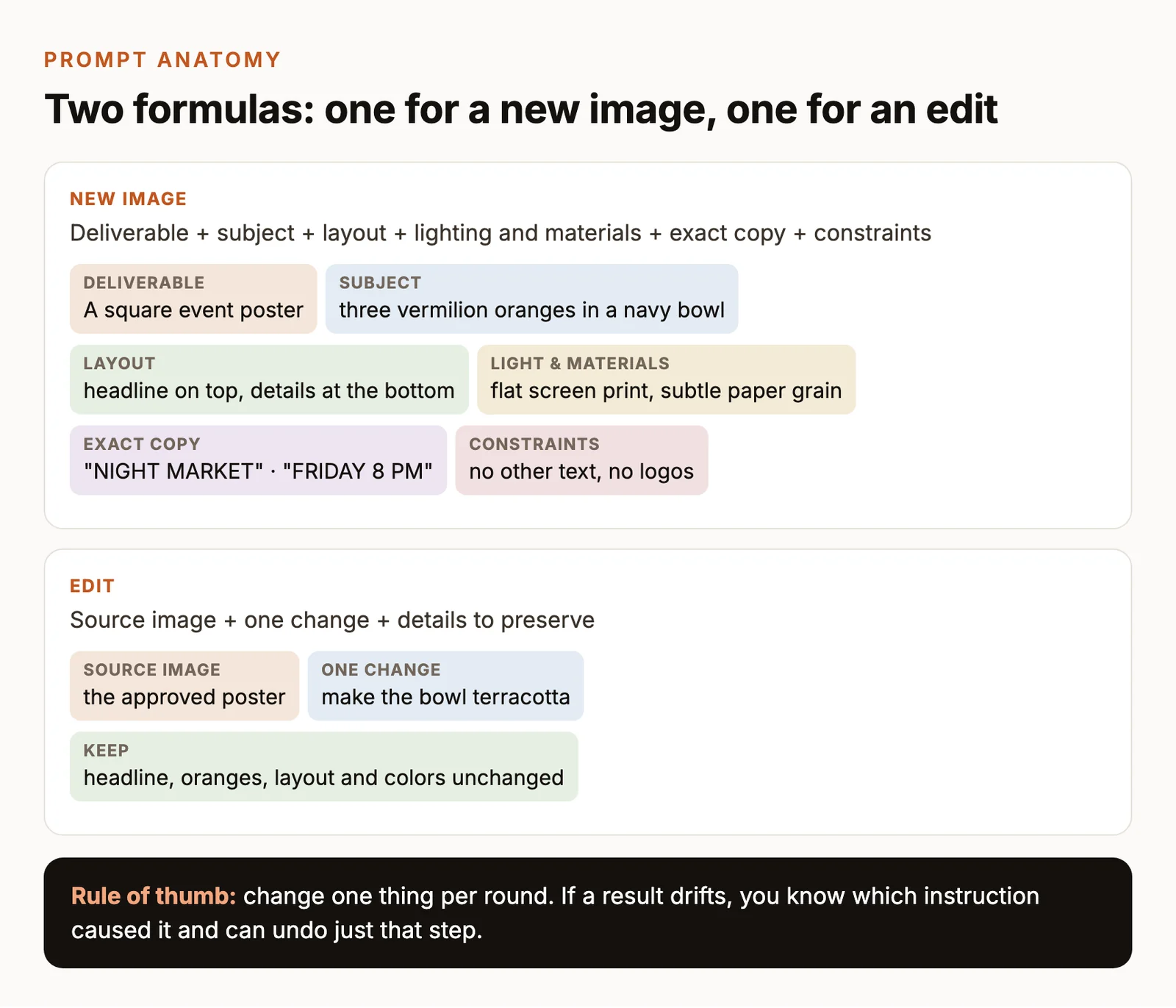
For a new image, write deliverable + subject + layout + lighting and materials + exact copy + constraints. For an edit, write source image + one change + details to preserve. The cards include concrete subjects so you can run them as written, then adapt one detail at a time.
ByteDance introduced Seedream 5.5 on November 9, 2026, emphasizing successive editing, native alpha-channel output, natural materials and skin, and clearer small text. Those capabilities guide the tasks in this collection. Read the official announcement.
Open a card in ChatCut, choose Seedream 5.5, and review the requested format before generating. For an editing card, attach its specified previous image. The button transfers the prompt text, so supply that input image in the project.
| Production setting | Brief for this collection |
|---|---|
| Model | Seedream 5.5 in ChatCut |
| Prompt output target | The prompts request 1K; review the available output sizes in ChatCut before generating. |
| Requested shape | Given in each prompt; this describes the intended composition. |
| Available size and ratio controls | Pick Seedream 5.5 in the model menu and review the available size and aspect-ratio options before generating. |
| Transparent output control | Request transparency in the prompt, review the available background options, and inspect the exported alpha channel before compositing. |
| Credits | Review the displayed credit cost before submitting a generation or edit; use the current in-app quote for your chosen settings. |
| Generation and review record | Every displayed example was generated with Seedream 5.5 in ChatCut on November 13, 2026, at 1K with the ratio named in its prompt, with transparent background turned on for prompts 1–5. Each image is the first result except prompt 12, which took two attempts. Edits 26–30 used the previous result as the attached input, and every result was reviewed against its Check. |
The ratios below were passed as the aspect-ratio setting for each example, and the images are Seedream 5.5 output, only resized and converted to WebP for this page. Retain every editing input and inspect the full-size export against its Check before accepting a result.
Result review All 30 images are Seedream 5.5 results from these exact prompts. Every supplied word, price, time, and chart value rendered correctly, including the Chinese and Japanese lines, and the five transparent assets came back with real alpha channels. The edits stayed local: each round changed only the scarf, brooch, date, or footer it named. The misses were additions rather than errors, such as an extra axis title, a decorative label, or a figure the prompt did not ask for; the Check under each card notes them.
For the model’s broader capabilities, see our Seedream 5.5 guide. For the version family, see Seedream explained.
AI image prompts for transparent assets and stickers
Ask for clear space around the subject and genuine transparent output. ByteDance’s model page shows fully transparent and semi-transparent assets, including detailed cutouts and textured lettering. See the official examples.
1. A flamingo pool-float sticker
Use it for a reaction sticker or a character overlay on a video.

Check Place the sticker over light and dark backgrounds and look for opaque corners, clipped edges, or a halo around the border. In this result, 56% of the pixels are fully transparent and under 1% are partly transparent, so only the anti-aliased edge of the white border blends into the background.
2. Six matching summer stickers
Use it for a coordinated set of small decorative assets.
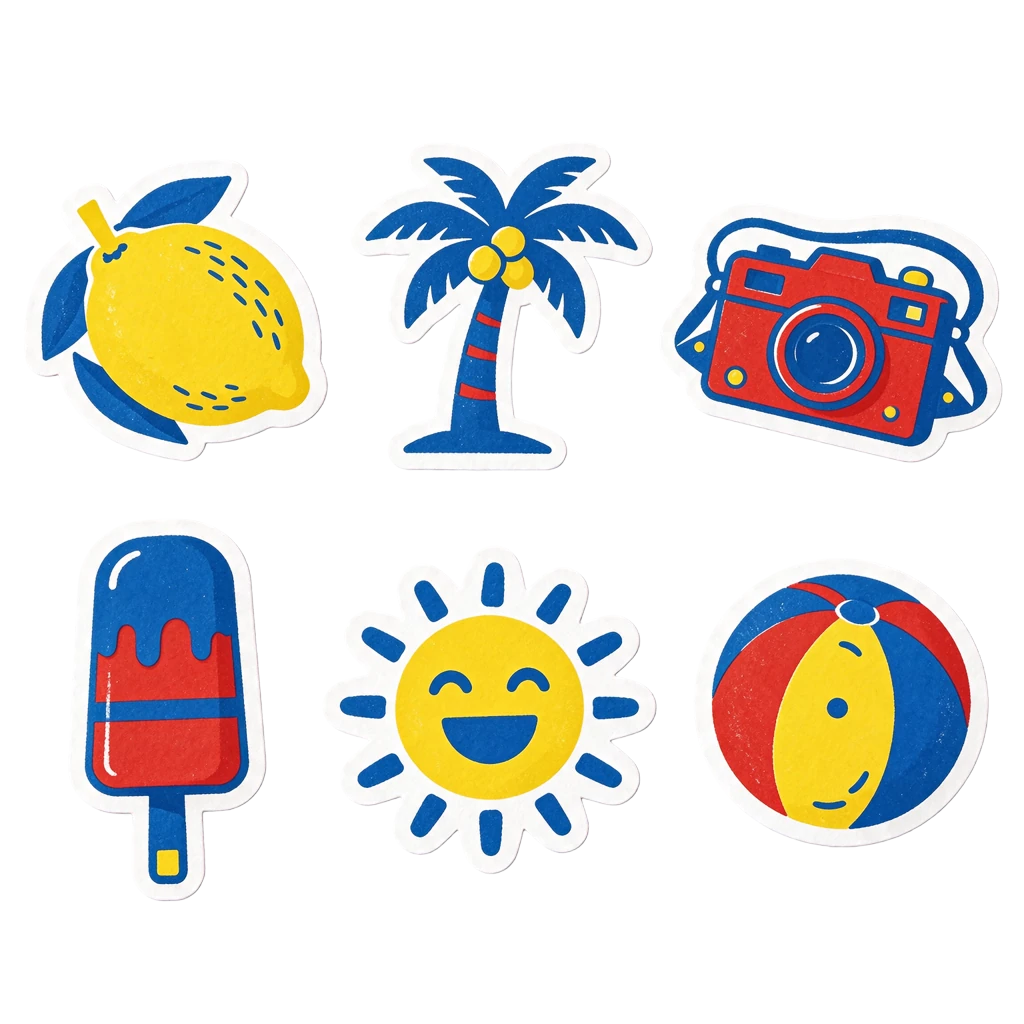
Check Count six complete stickers and inspect every gap before cropping the sheet. This result has all six in two rows of three, in the same red, blue, and yellow print style, each inside its own white border with transparent space around it.
3. A soap-bubble overlay
Use it for a textured accent over footage or a product image.
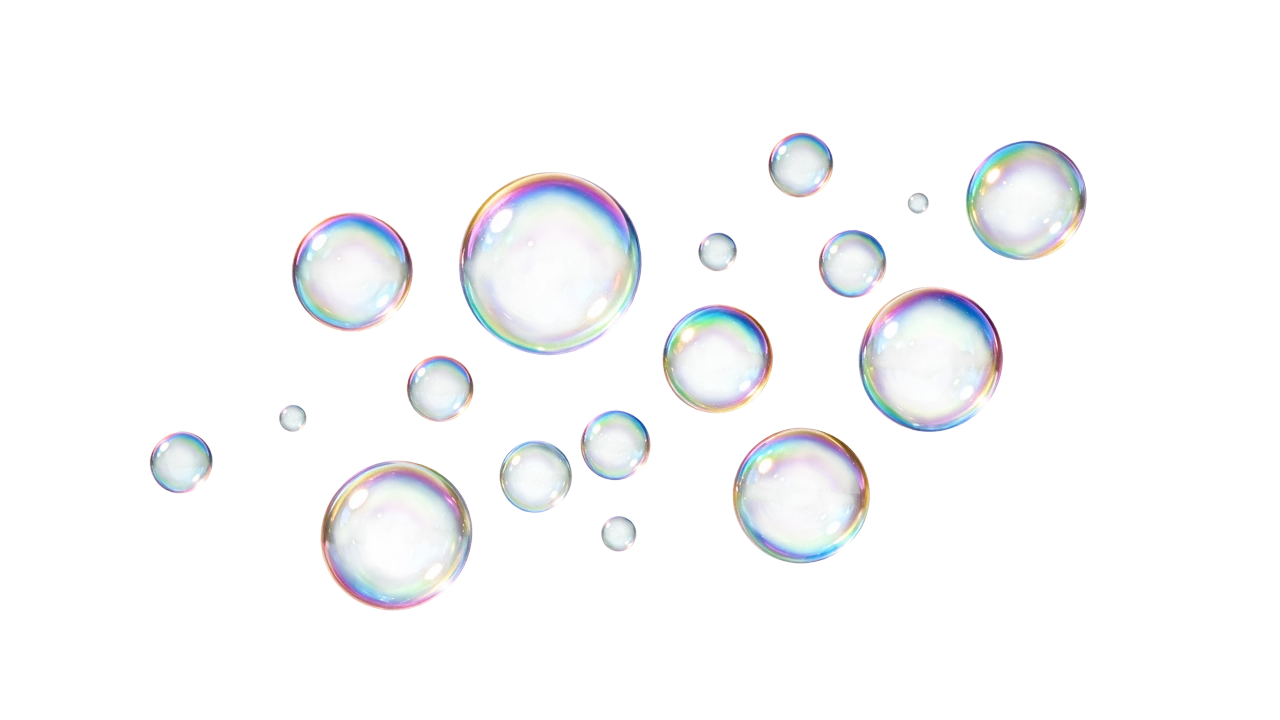
Check Composite the overlay over a busy photo and check that the picture shows through each bubble. In this result the bubble interiors are semi-transparent in the alpha channel rather than painted on a backdrop, with rainbow rims and white highlights; the cluster drifts more horizontally than the requested diagonal.
4. A knitted-yarn title cutout
Use it for a short title placed over a video or presentation.
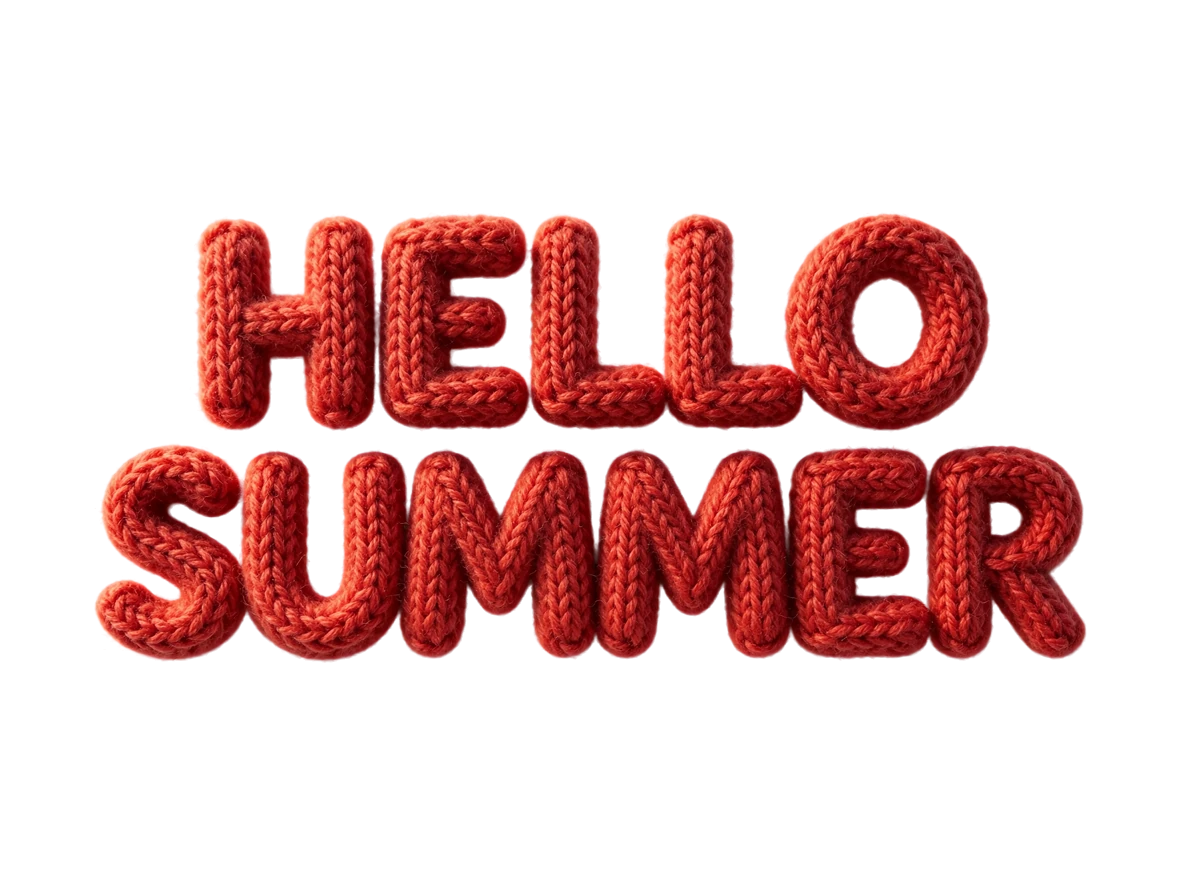
Check Read both words letter by letter and check the holes inside the O and R. This result spells HELLO SUMMER on two lines in red yarn with visible knit stitches, and the counters inside the letters are transparent like the surrounding space.
5. A lemon-branch cutout
Use it for an organic frame element with fine stems and open gaps.
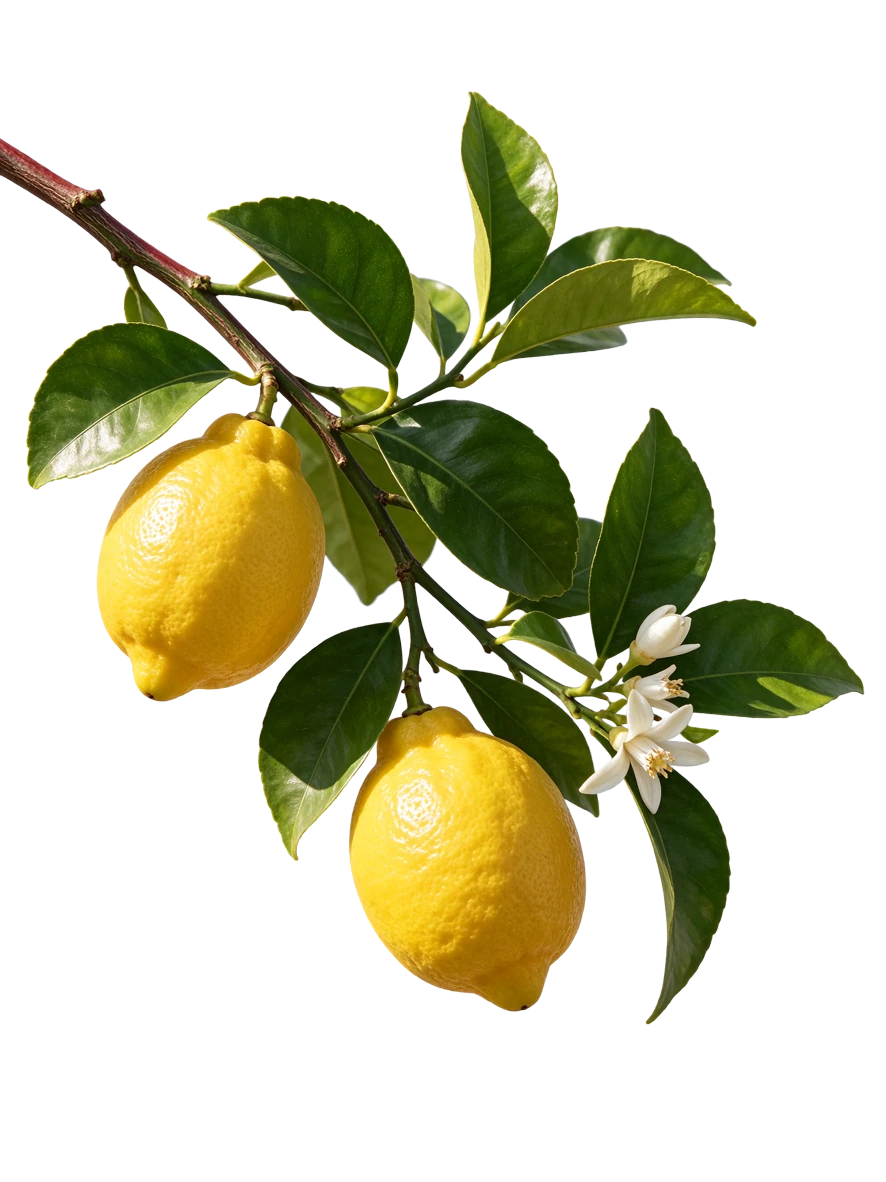
Check Inspect the thin stems and the gaps between leaves for missing or filled regions. This result keeps the whole branch inside the frame with two lemons and a few small white blossoms, and the spaces between the leaves are transparent; there is no cast shadow.
AI image prompts for small text, menus, and infographics
Supply every word and value, then specify where it belongs. The prices, dates, discounts, and chart values in this collection are fictional design copy you can replace with approved content.
6. A gelato menu with prices
Use it for a short menu with aligned item names and prices.
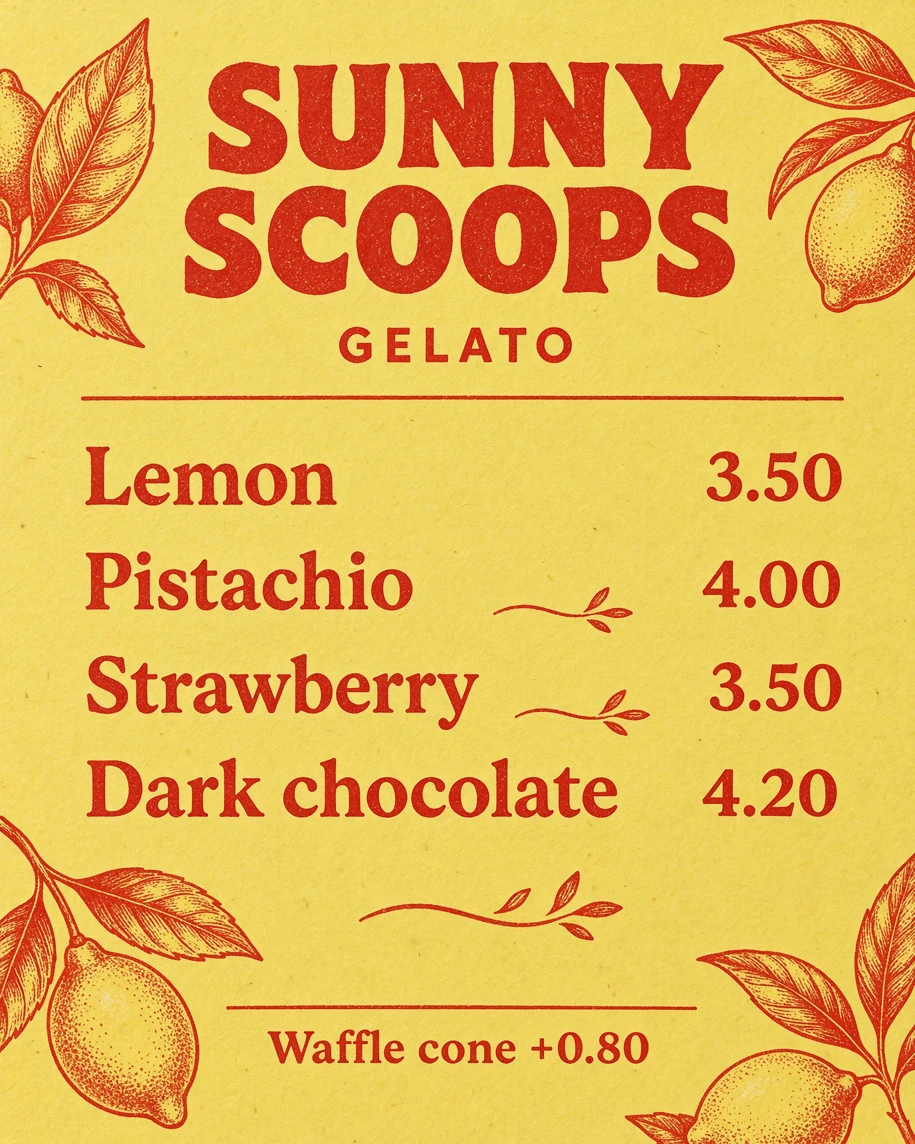
Check Read every item, decimal point, and supplement line at the size you will display it. This result pairs Lemon with 3.50, Pistachio with 4.00, Strawberry with 3.50, and Dark chocolate with 4.20 and adds the Waffle cone +0.80 footer; the model also framed the card with engraved lemon branches and small sprigs that were not requested.
7. A four-step process infographic
Use it for a workflow with a clear left-to-right reading order.
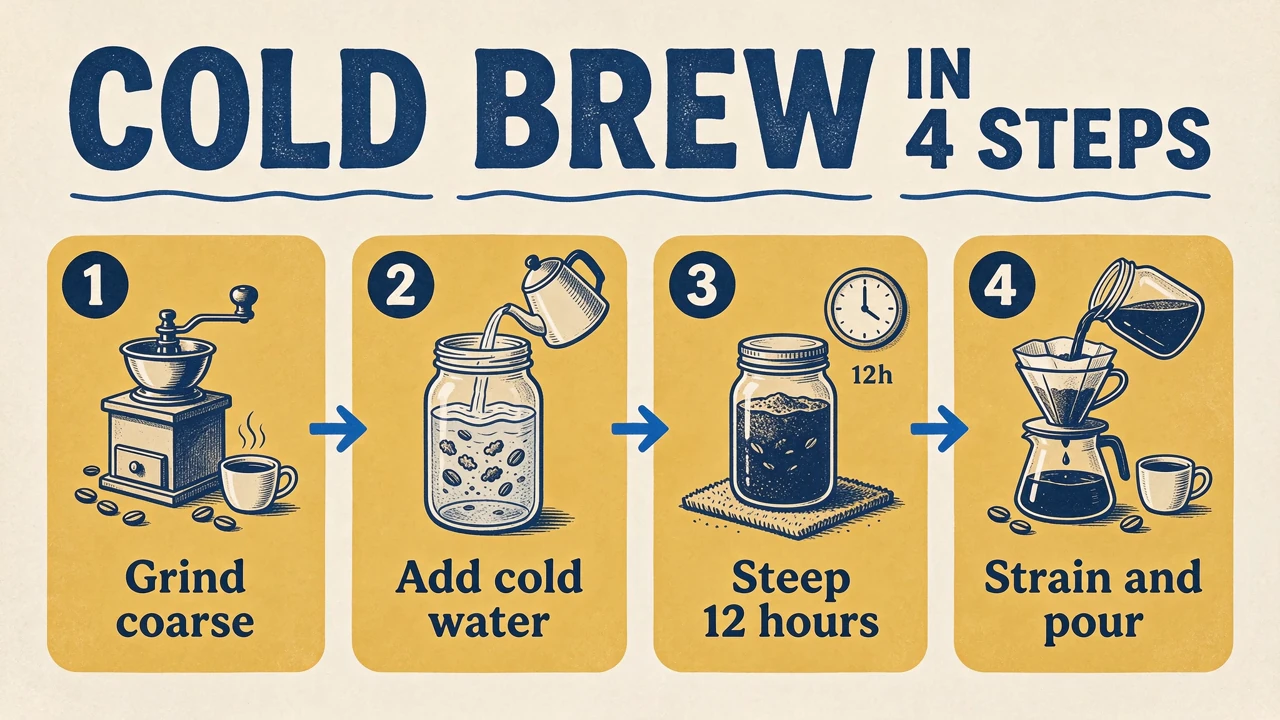
Check Match each caption to its drawing and verify the panel numbers and arrow directions. This result has four numbered panels with the supplied captions in order and three right-pointing arrows; it also adds a small 12h label on the clock in panel 3, which was not in the supplied copy.
8. A chart with supplied values
Use it for a presentation graphic based on a small fixed dataset.
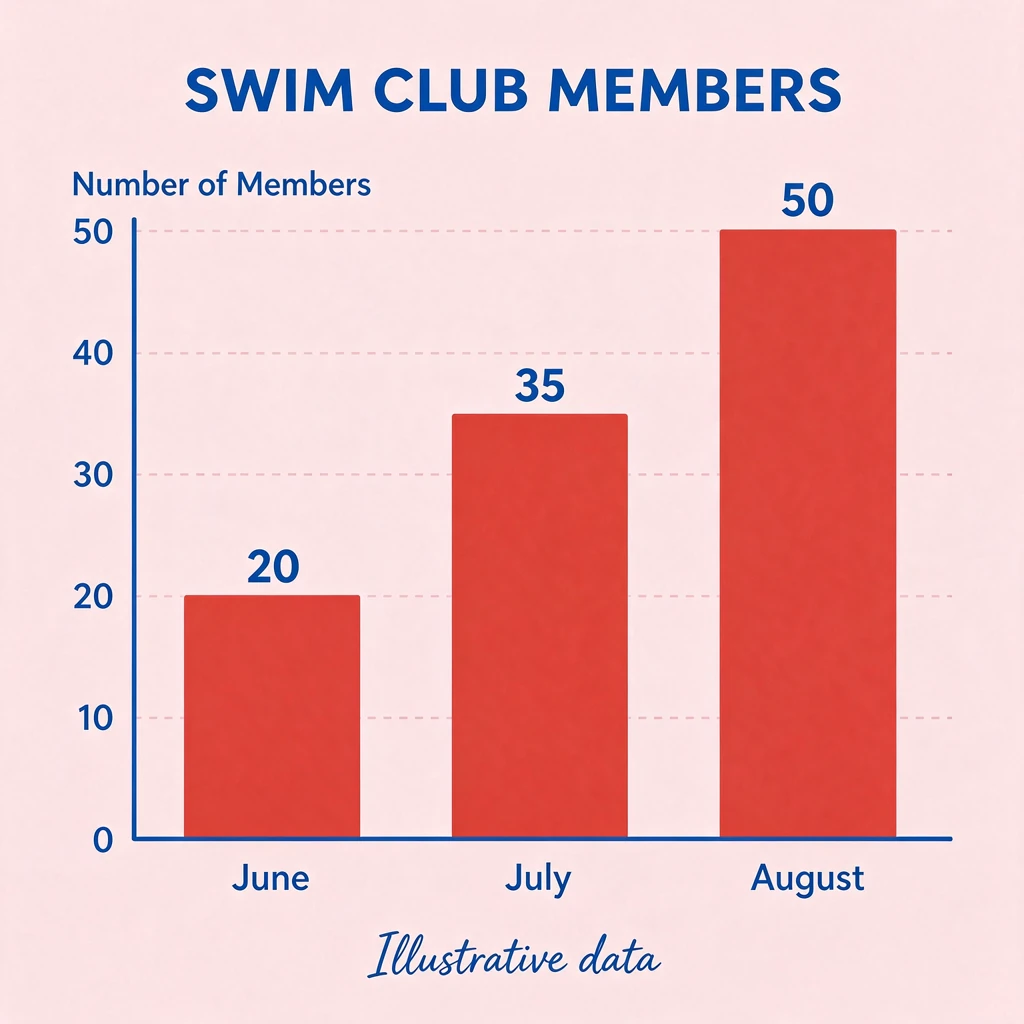
Check Compare the printed values and bar heights with the supplied data and the zero-based axis. In this result the June, July, and August bars reach 20, 35, and 50 on the axis and the footer reads Illustrative data; the model added an unrequested Number of Members axis title.
9. A bilingual opening-hours card
Use it for a small information card with supplied Chinese and English copy.
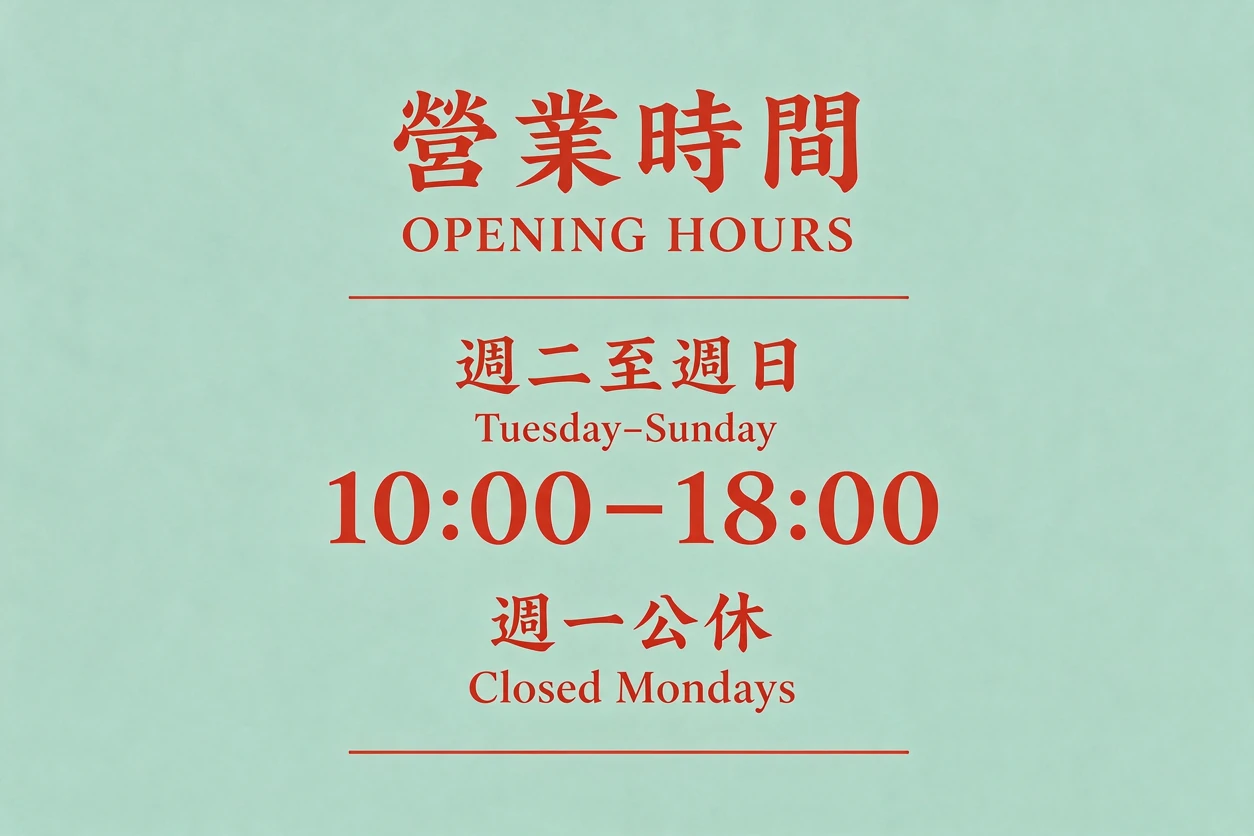
Check Have a fluent reader check the Chinese characters and confirm both languages give the same days and times. This result sets 營業時間, 週二至週日, and 週一公休 above their English lines, with 10:00–18:00 as the largest line and no extra text.
10. A two-column pool-day schedule
Use it for a compact timetable with unambiguous row alignment.
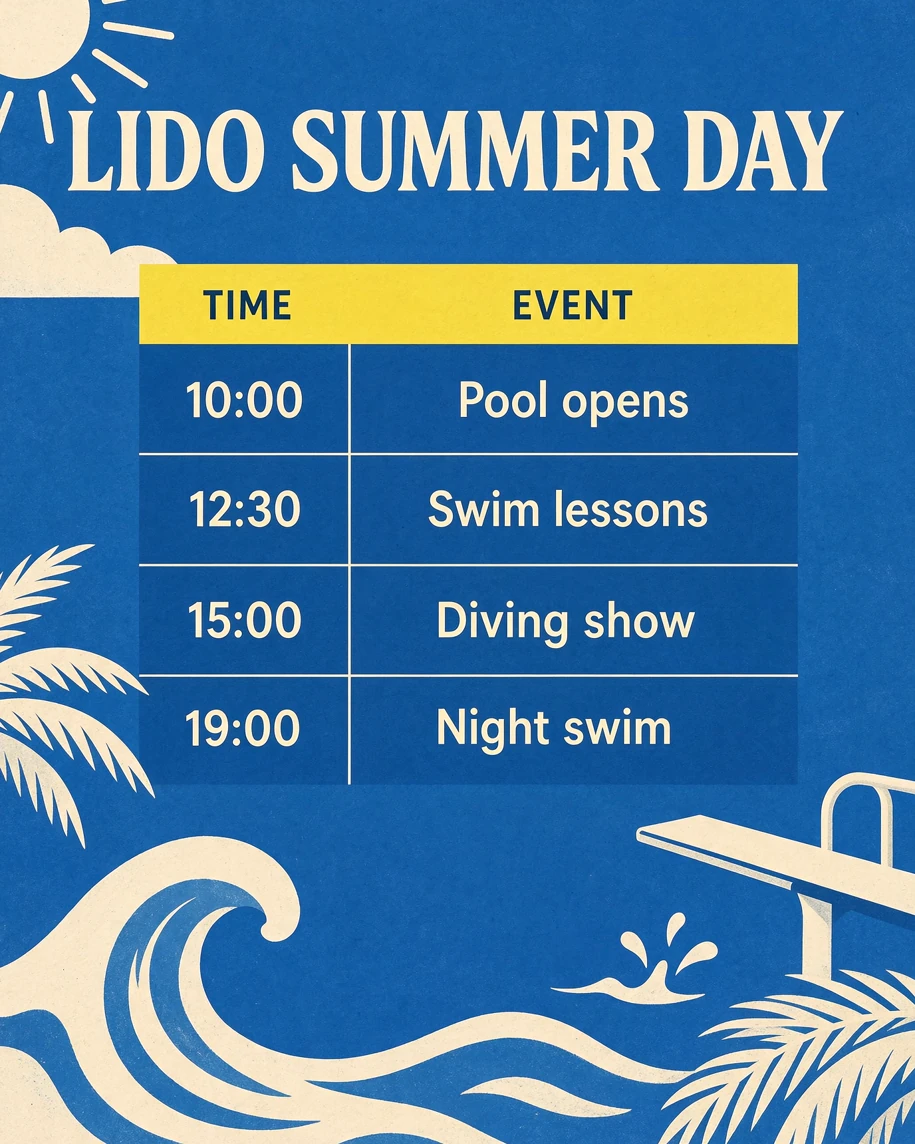
Check Read across each row to confirm every time stays with its event. This result keeps 10:00 Pool opens, 12:30 Swim lessons, 15:00 Diving show, and 19:00 Night swim on separate rows under a yellow header, with a sun, waves, palms, and a diving board drawn around the table.
AI image generator prompts for posters and ads
Make the message hierarchy explicit and keep copy areas clear. Save prompt 11’s result for the two poster revisions at the end of the collection.
11. A rooftop cinema poster
Use it for an event poster that also serves as the source for prompts 29–30.
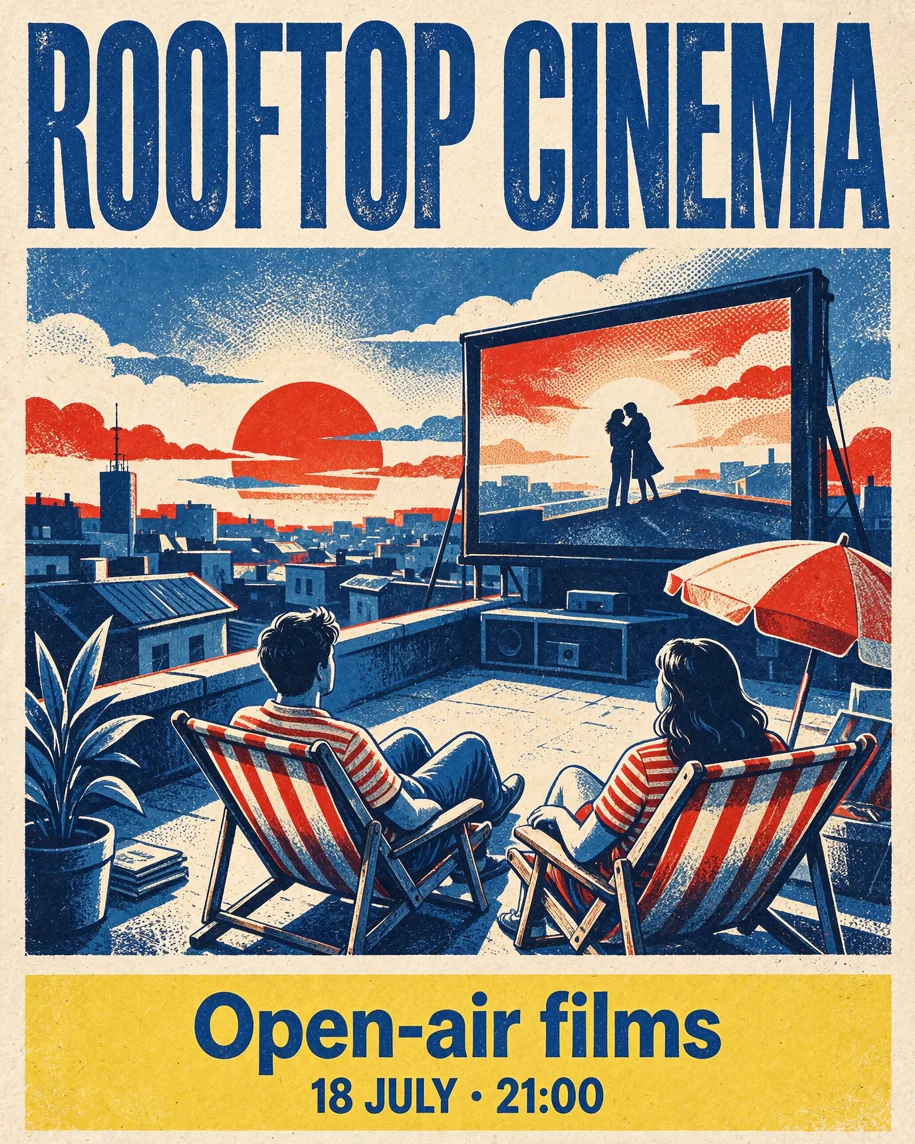
Check Proofread the headline and footer and inspect the figures and deck chairs before saving this as an editing source. This result reads ROOFTOP CINEMA across the top and Open-air films with 18 JULY · 21:00 in the yellow footer band, in three-colour print with visible grain.
12. A sunglasses sale graphic
Use it for a promotion with one clearly bounded offer.

Check Verify the discount, product restriction, and end day together, and check that no text overlaps the hand. This second attempt reads SUN READY, 30% OFF, and Sunglasses only · Ends Sunday with the hand clear of the type; the first attempt printed an unrequested Seedream 5.5 line, so the prompt now ends with No other words.
13. A vertical water-bottle ad with copy space
Use it for a product-led advertising layout with room for a headline.
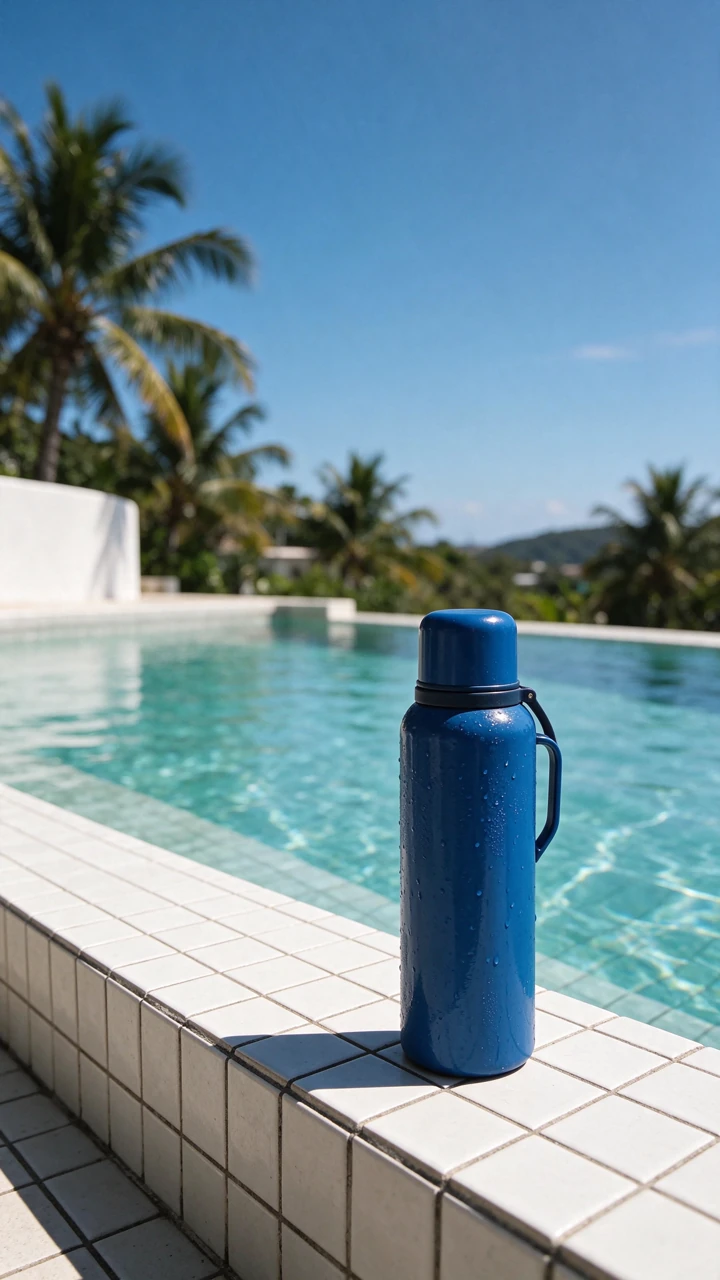
Check Preview your headline in the reserved space and inspect the cap, handle, and contact shadow. This result stands one unlabeled blue bottle with water drops on the tiled pool edge right of centre, with open blue sky across the upper third and palm fronds along the left edge.
14. A bilingual travel poster
Use it for a poster pairing short Japanese and English headings.
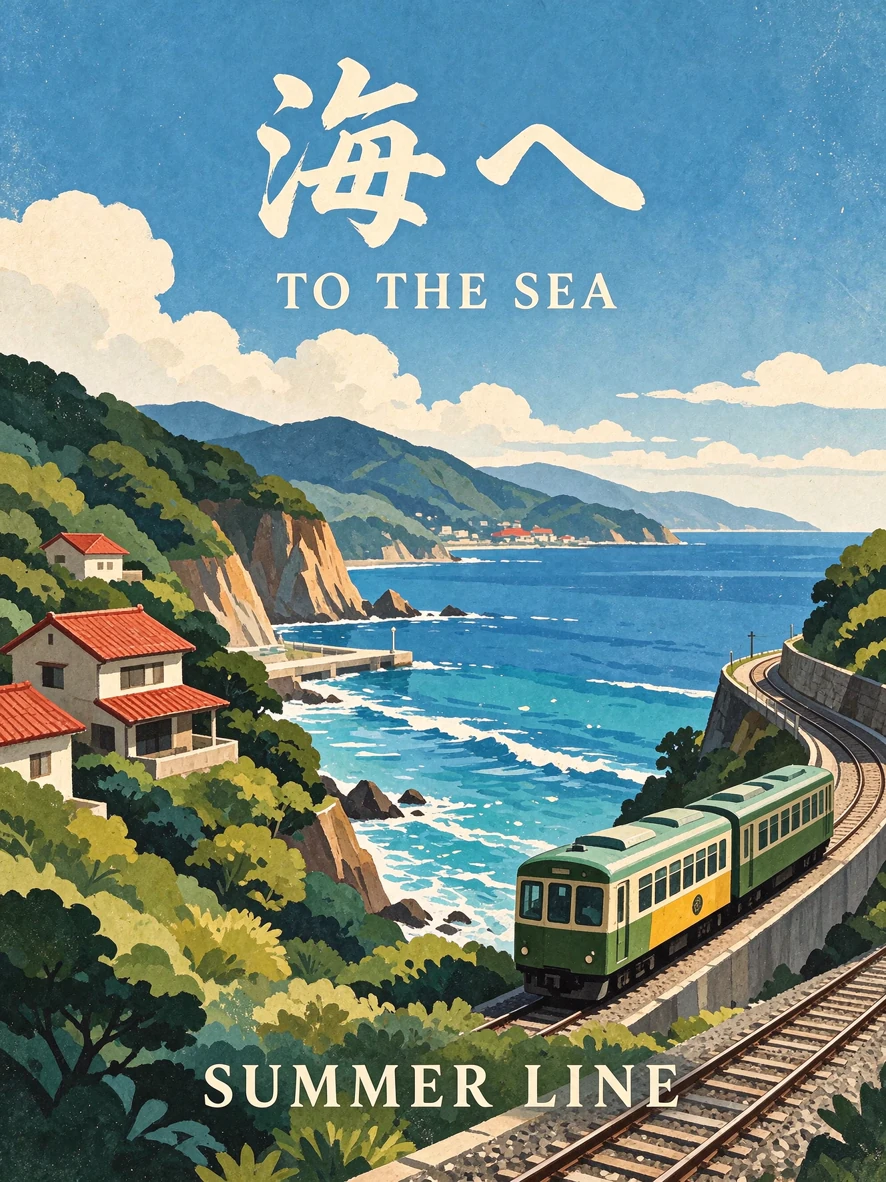
Check Have a fluent reader check the Japanese and verify the English title and bottom line. This result places 海へ above TO THE SEA, shows a green two-car train on a coastal line beside red-roofed houses and a blue sea, and sets SUMMER LINE at the bottom.
15. A wide reading-campaign banner
Use it for a landscape banner with copy beside a single focal object.

Check Read both lines at the display size and inspect the book’s spine and page edges. This result keeps both lines on the blue left panel and shows the open book on the yellow-and-white towel with unreadable, blurred page text; it also adds a woman in a sunhat lying behind the book, which the prompt did not ask for.
AI image prompts for product photography
These text-only briefs describe fictional products for concept images. To photograph an existing item through generation, attach its reference and specify the shape, color, construction, and label that must be preserved.
16. A yellow radio catalog shot
Use it for a clean product concept with an easily inspected silhouette.
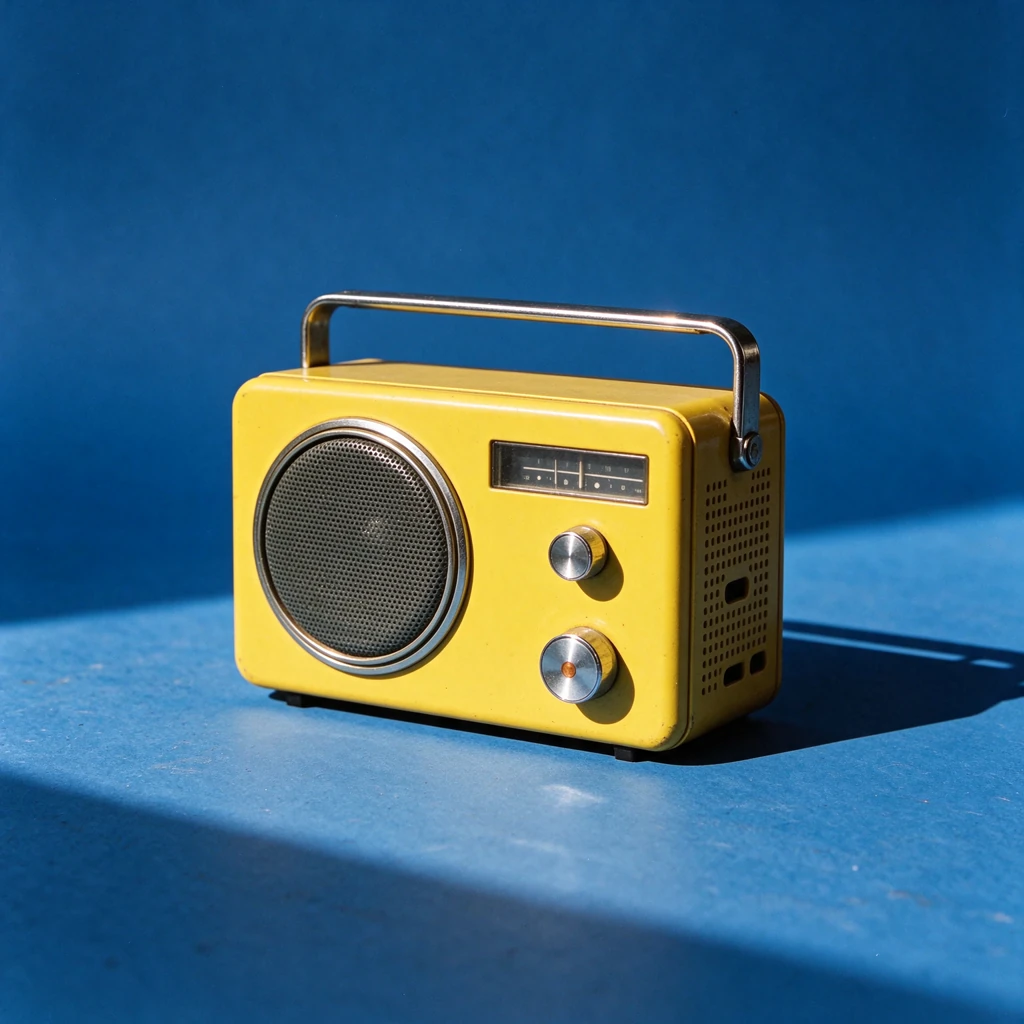
Check Inspect the handle mounts, grille, controls, and floor contact. This result shows the whole radio with a round grille, a tuning window, and a chrome carry handle casting a crisp shadow on the blue floor; it has two chrome knobs where the prompt asked for one tuning dial.
17. Glass and liquid in a lemonade hero shot
Use it for a transparent-material study with controlled reflections.
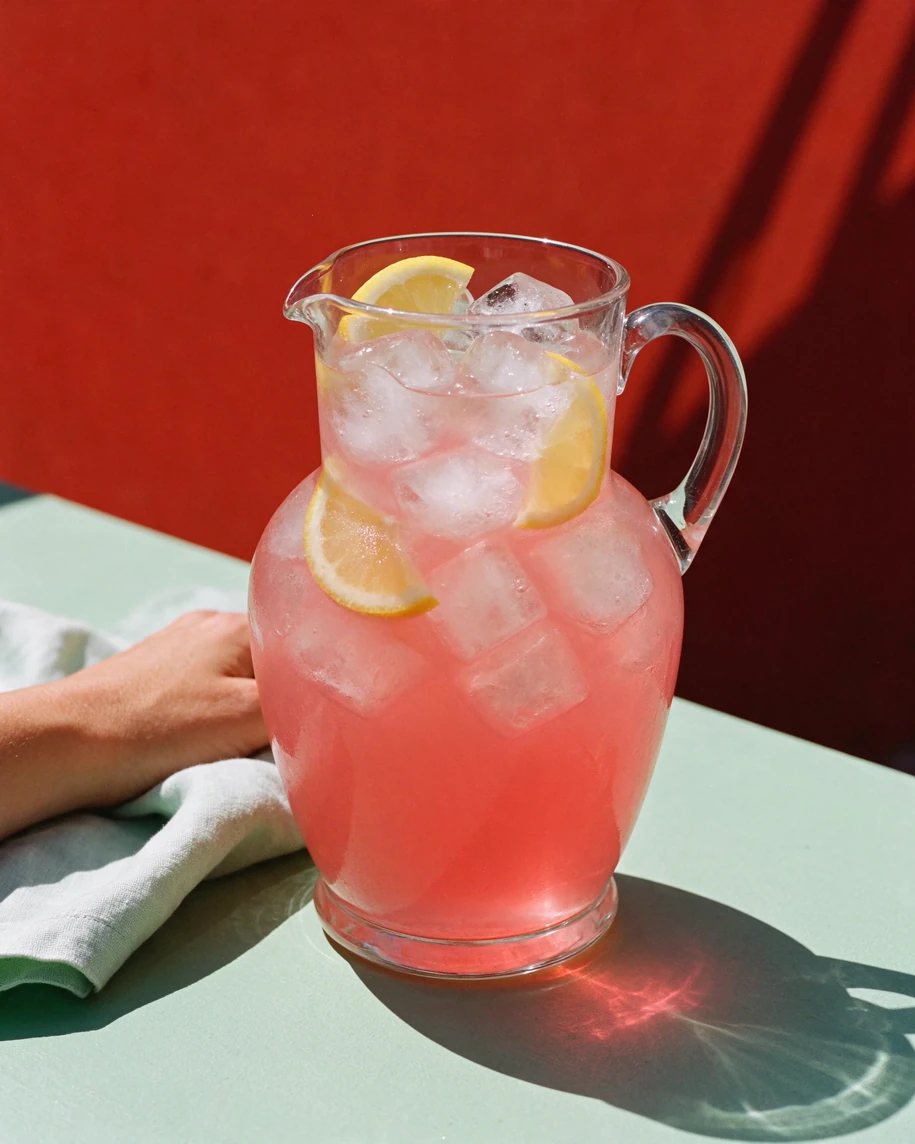
Check Trace the carafe outline, liquid line, and ice for duplicated or floating parts. This result shows a pink carafe with ice and lemon slices throwing a bright pink caustic patch onto the mint table; an unrequested hand and towel appear at the left edge.
18. Raffia and leather stitching in close-up
Use it for a material-detail concept focused on construction.
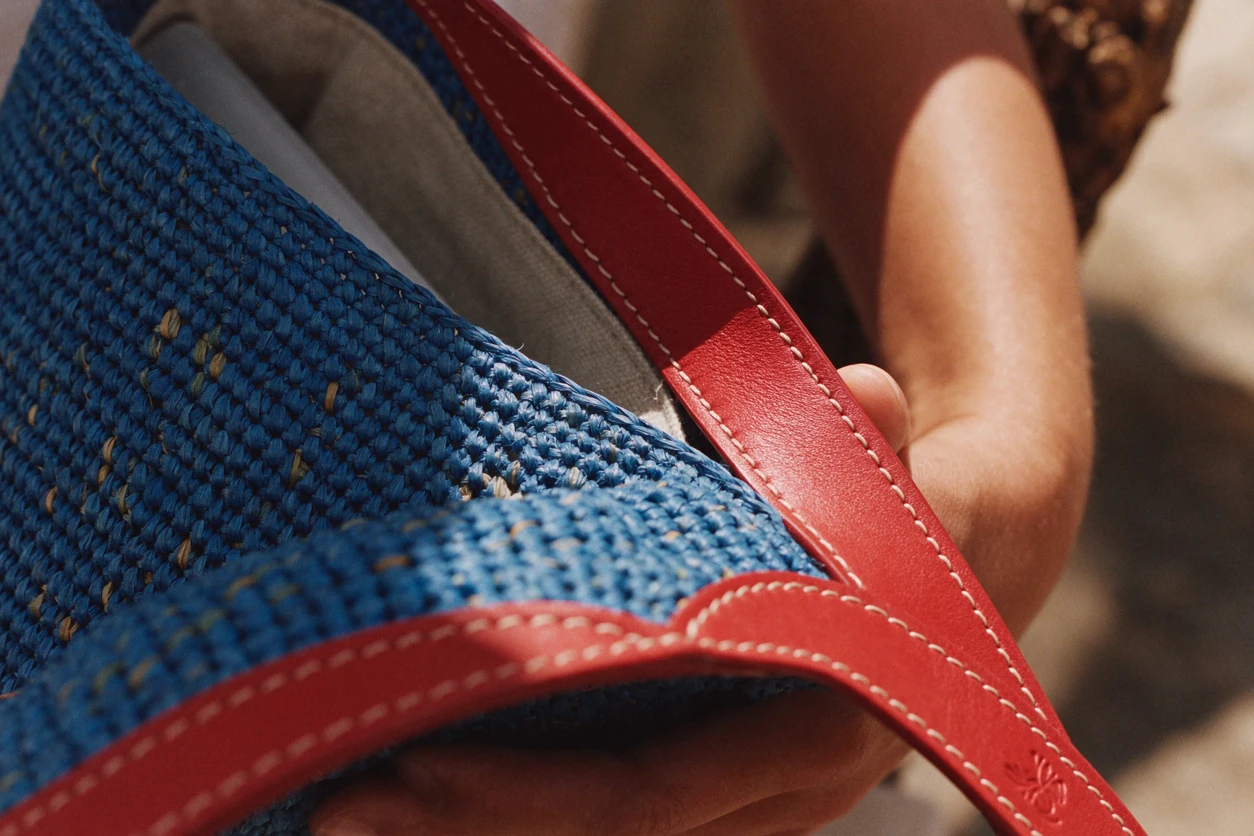
Check Follow the stitch line along the trim and inspect thread spacing and the leather edge. This result shows even cream stitches along the red leather trim against the woven blue raffia, with hands holding the bag; a small embossed motif appears on the trim despite the No logo instruction.
19. A cooler box in a believable beach scene
Use it for lifestyle placement with visible scale references.
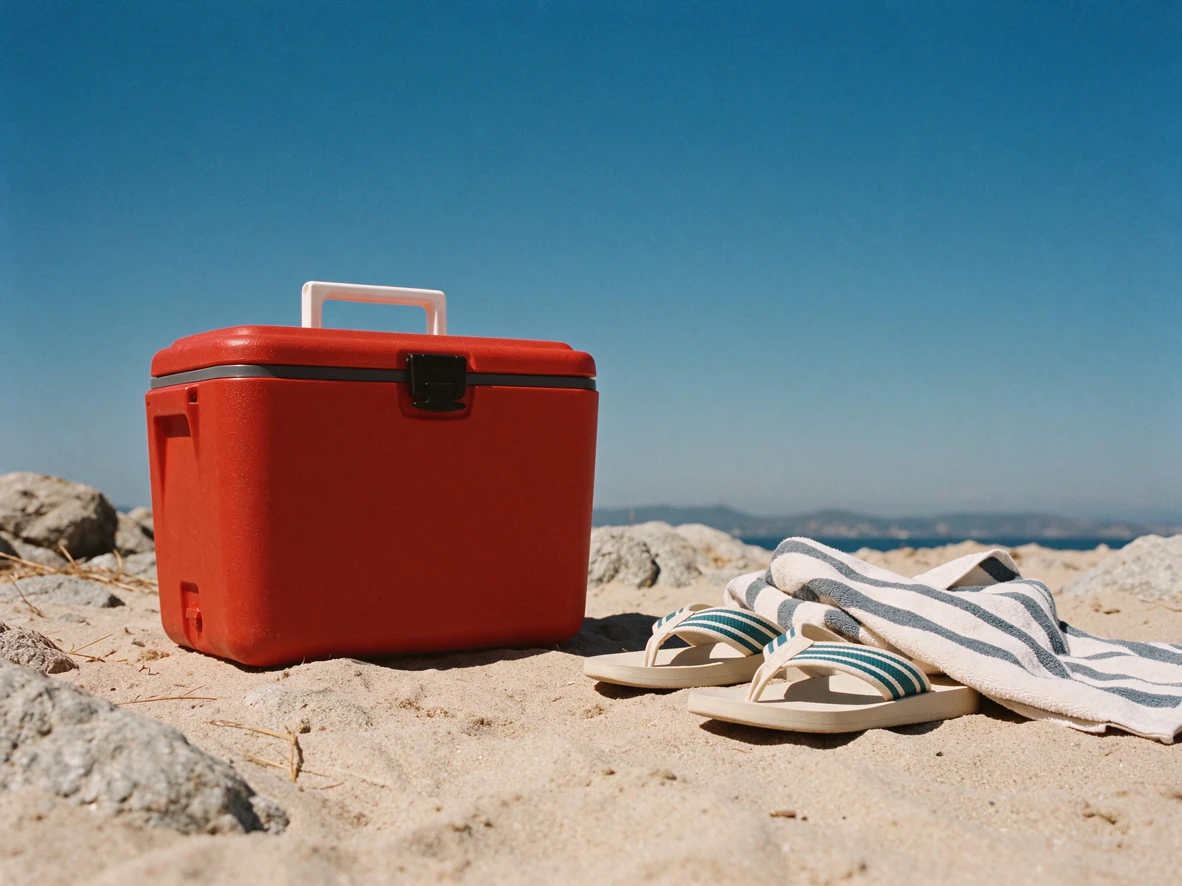
Check Compare the cooler with the flip-flops and towel for scale, then inspect the handle, latch, and shadows. This result shows one white handle and a front latch on the red cooler, with flip-flops and a folded striped towel beside it and crisp shadows on the sand.
20. A juice carton with an exact label
Use it for a packaging concept with short, specified front-panel copy.
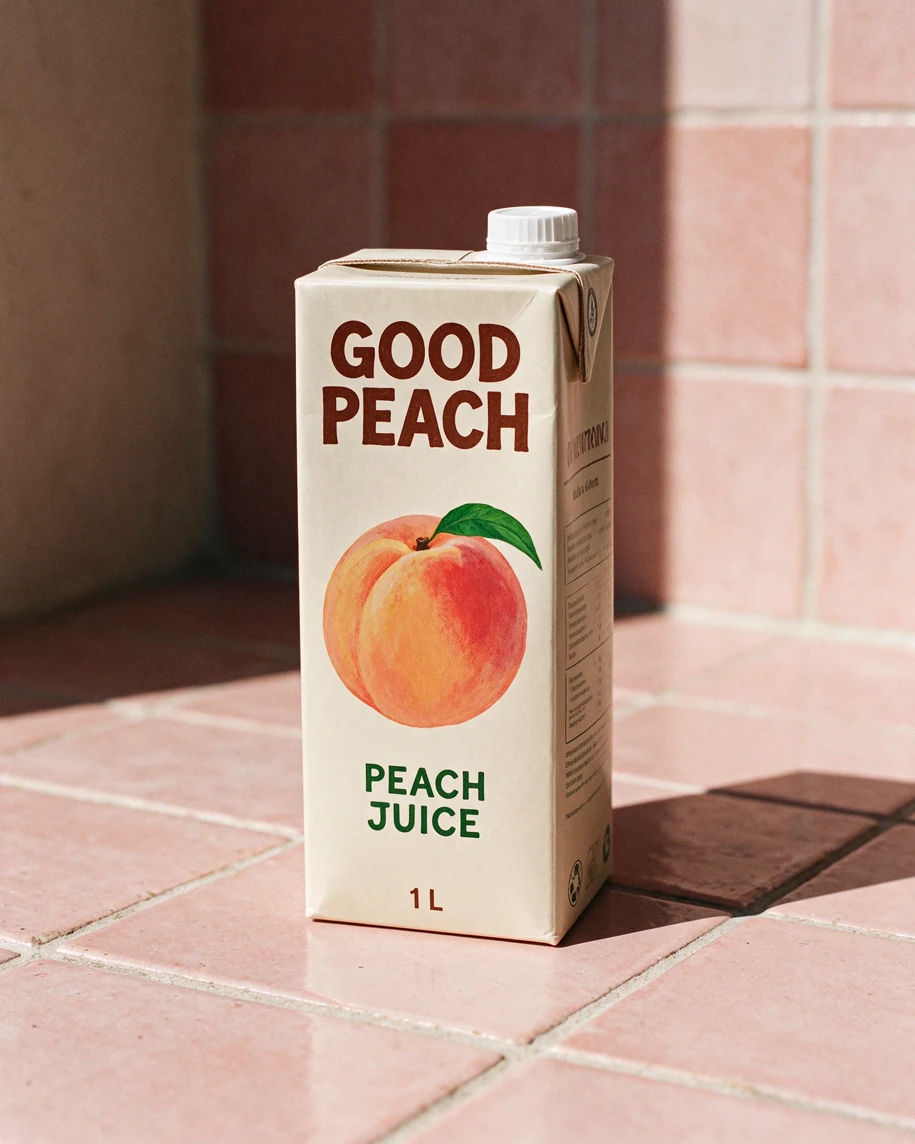
Check Read all front-panel text and inspect the carton folds, cap, and shadow. This result reads GOOD PEACH, PEACH JUICE, and 1 L on the front with a sharp shadow to the right; the side panel carries small blurred nutrition-style text that the prompt excluded.
Seedream 5.5 prompts for portraits and cinematic scenes
Describe the light source and the materials it touches. Save prompt 21’s portrait as the input for the three-round editing sequence below.
21. A seaside portrait with natural skin texture
Use it for an editorial portrait and the starting image for prompts 26–28.
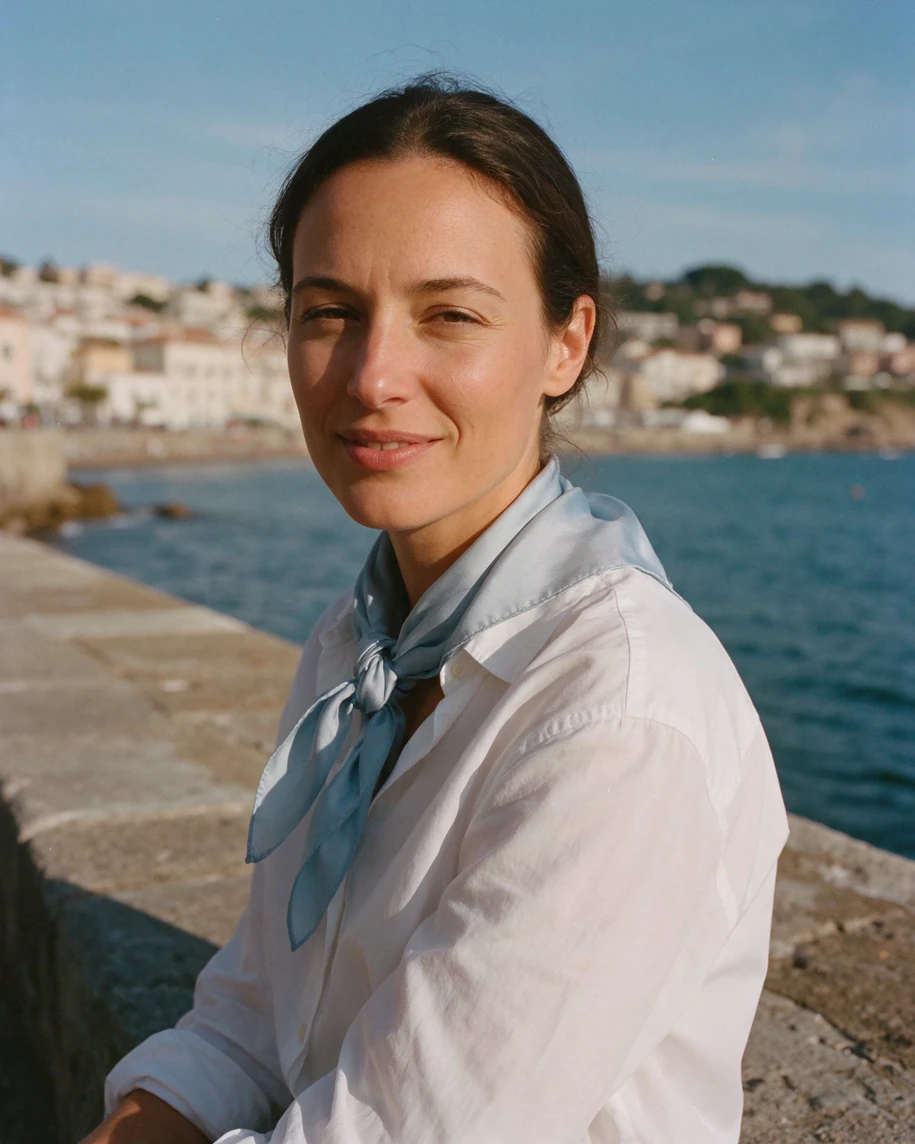
Check Inspect the face, hands, and scarf knot before saving the portrait as the editing source. This result shows natural skin texture and slight squint lines in warm sun, a loosely knotted pale-blue scarf, and the town and sea softly out of focus behind her.
22. A beach-house bedroom with mixed materials
Use it for an interior still built around wood, wool, and metal.
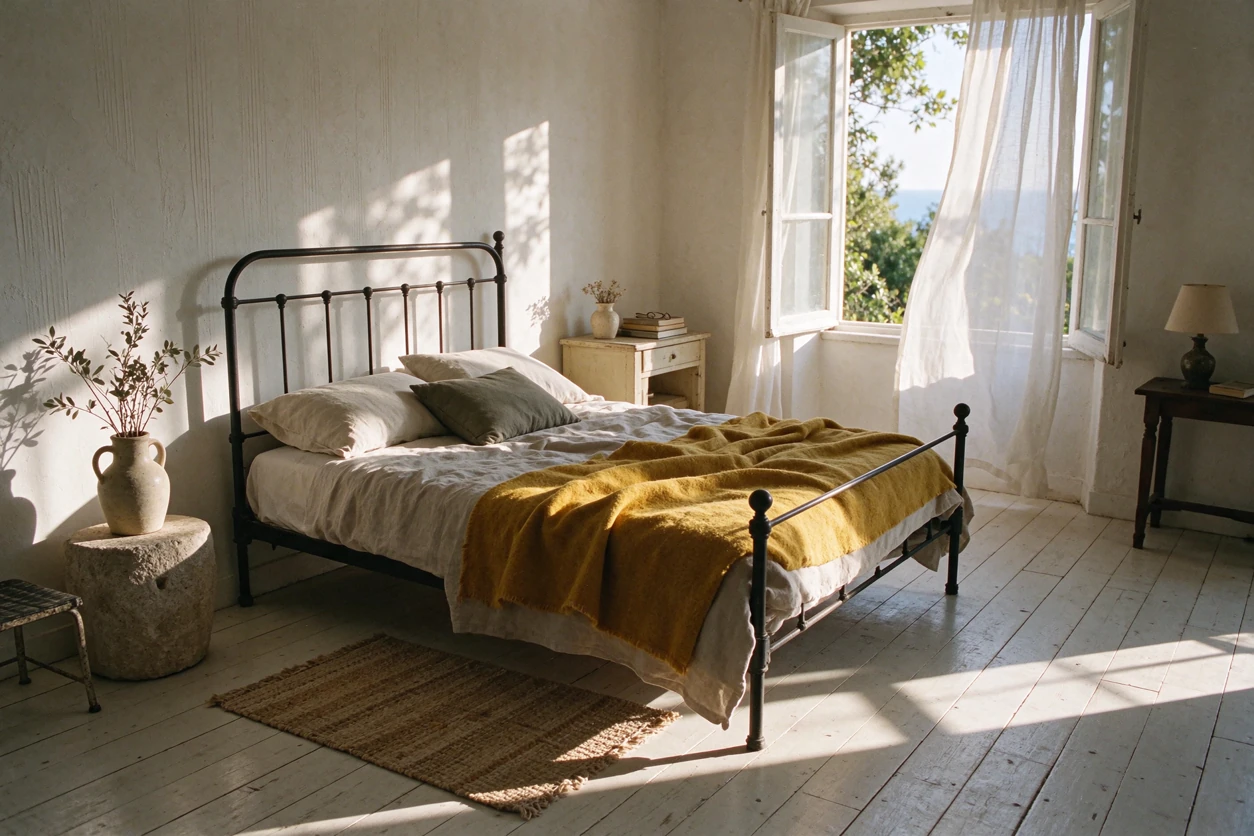
Check Trace the shadows back to the window and inspect the bed frame, blanket folds, and floorboards. This result shows the black iron bed, a rumpled mustard blanket, and whitewashed boards, with patches of sun falling from the open window on the right.
23. Wet footprints on a dry pool deck
Use it for an atmospheric still with distinct wet and dry surfaces.
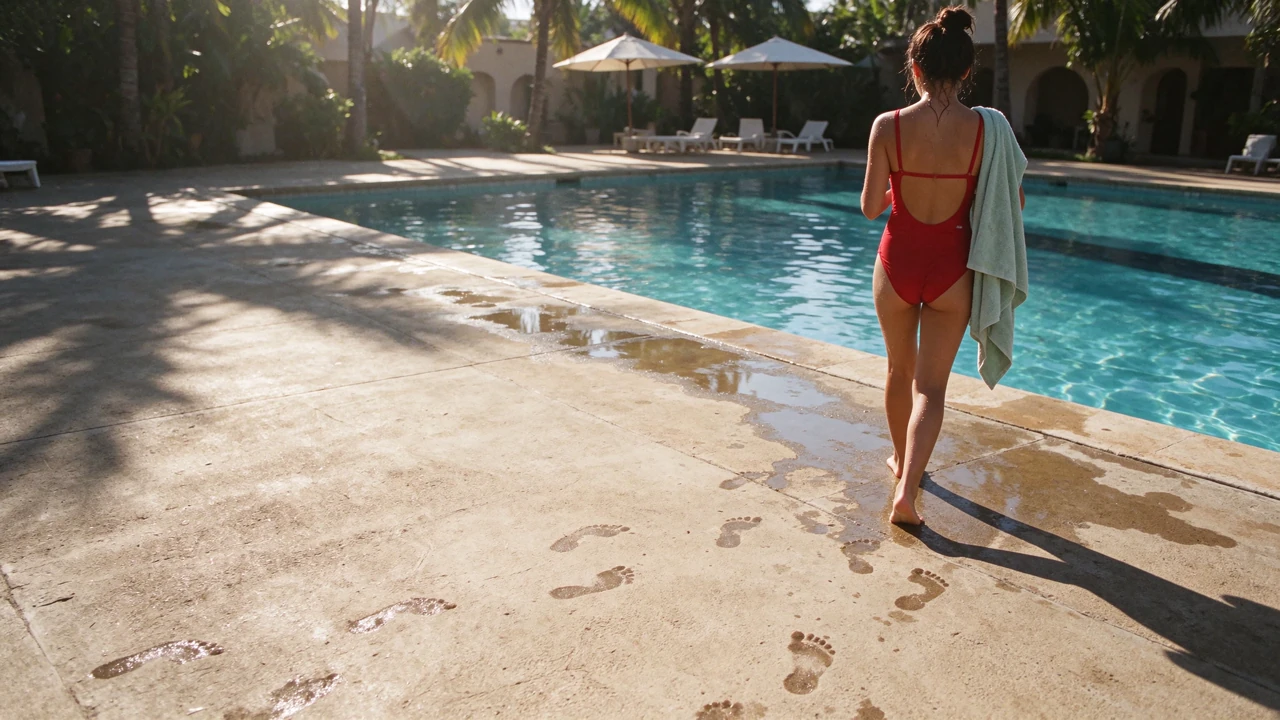
Check Compare the wet footprints and puddles with the dry concrete and check the figure’s anatomy. This result shows a trail of wet footprints and a wet strip along the pool edge, with the rest of the deck dry, and the girl in a red swimsuit carrying a towel.
24. A flower seller composed for image-to-video
Use it for a first-frame concept with readable action and a clear background aisle.
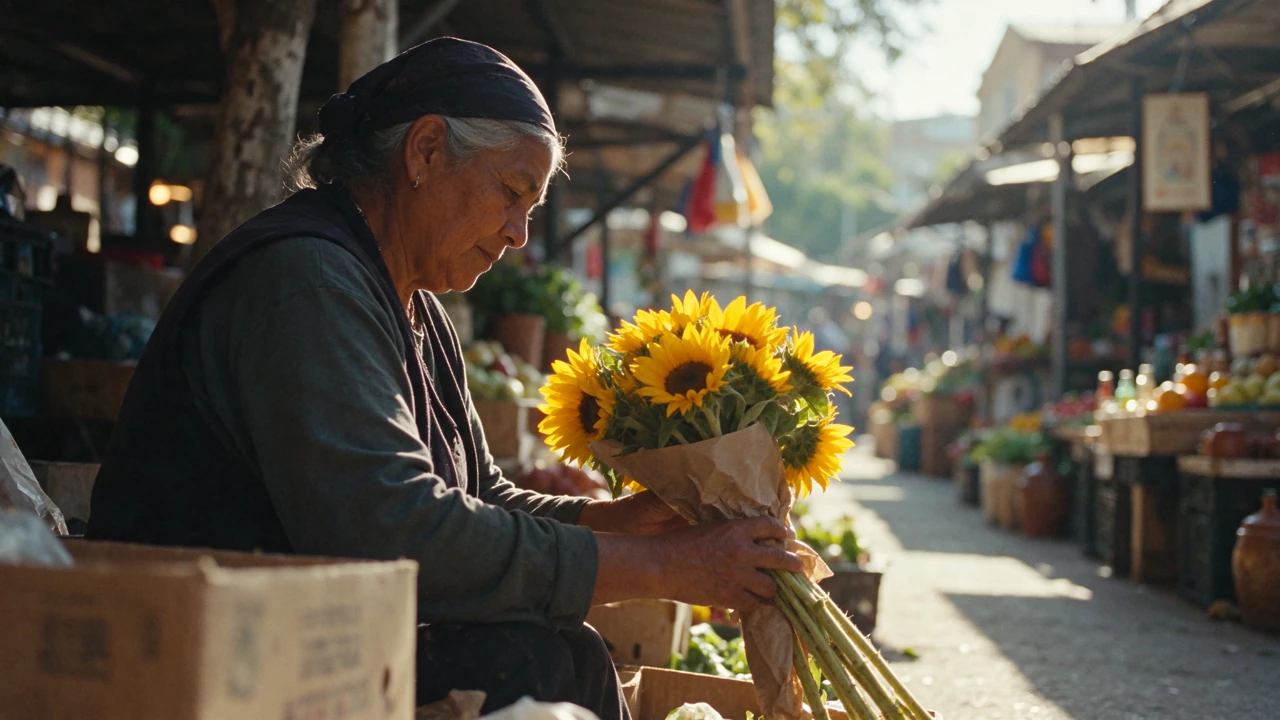
Check Inspect the hands, paper, and open aisle before using this still as a video’s first frame. This result places the seller on the left wrapping sunflowers in brown paper, with both hands on the stems and paper, and a sunlit aisle of stalls recedes on the right; the few background signs are too blurred to read.
25. A paper-cut seaside town
Use it for a tactile illustration with a clear material vocabulary.
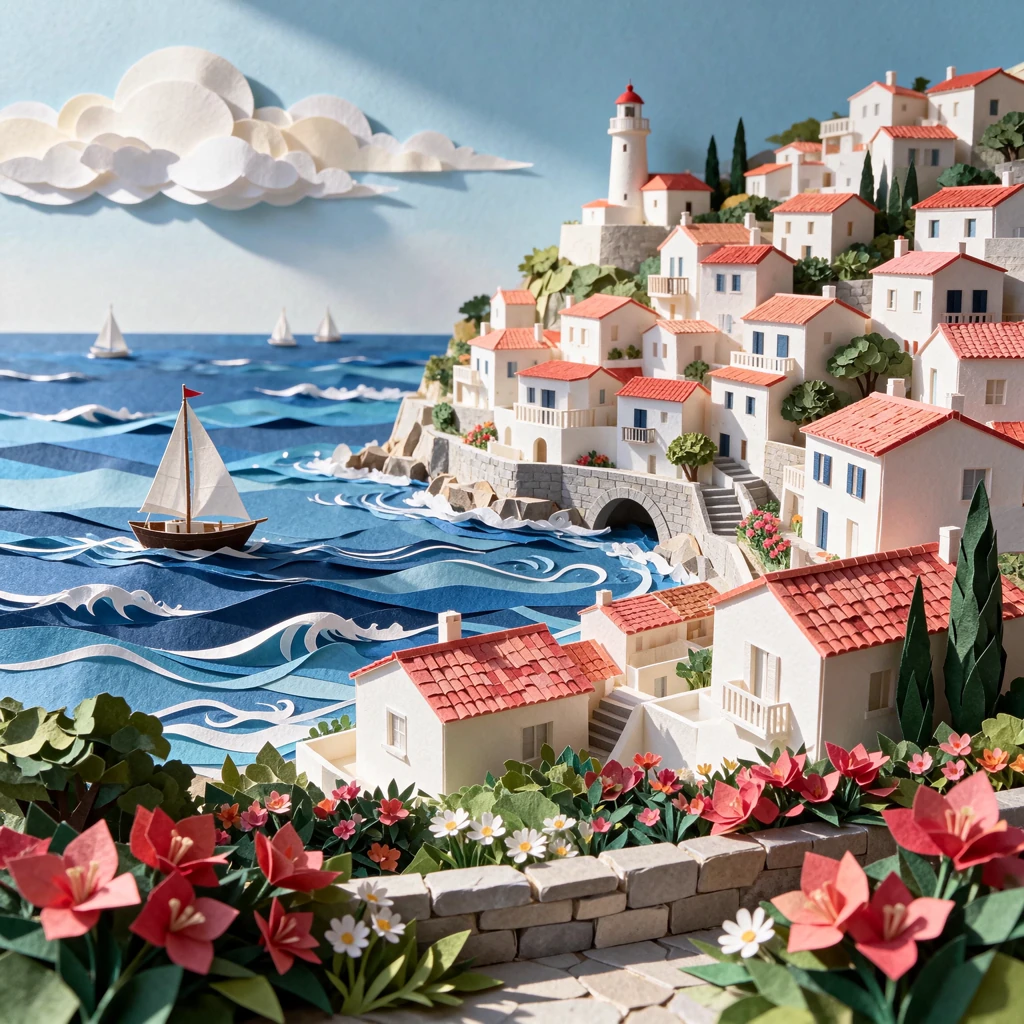
Check Inspect the cut edges, layer shadows, and how the parts sit on each other. This result builds the town from layered white paper with coral roofs, a lighthouse, a sailboat on cut-paper waves, and paper clouds, and adds a foreground of paper flowers that the prompt did not ask for.
AI image editing prompts for multi-round revisions
Run each round separately and feed the accepted output into the next round. For the portrait, follow 21 → 26 → 27 → 28. For the poster, follow 11 → 29 → 30. Keep the original alongside every result so you can inspect changes outside the requested area.
26. Portrait round 1 — recolor the scarf
Use it to change the scarf on the portrait from prompt 21 while retaining its folds.
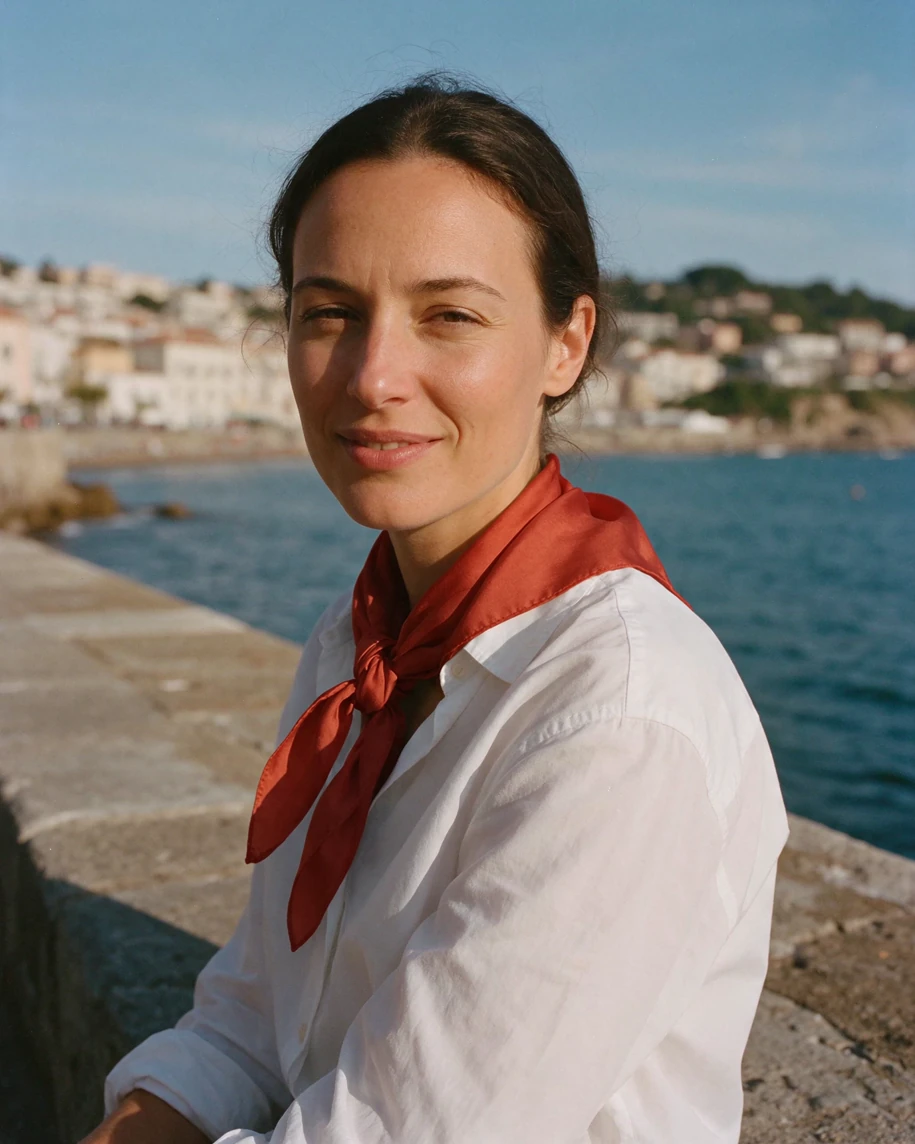
Check Compare the face, framing, and knot with prompt 21, then check the shirt and background. In this result only the scarf changes, from pale blue to tomato red with the same knot and folds; a pixel comparison with the source shows about 4% of the frame changed, all of it on the scarf.
27. Portrait round 2 — add a small brooch
Use it to add a restrained accessory to the accepted result from prompt 26.
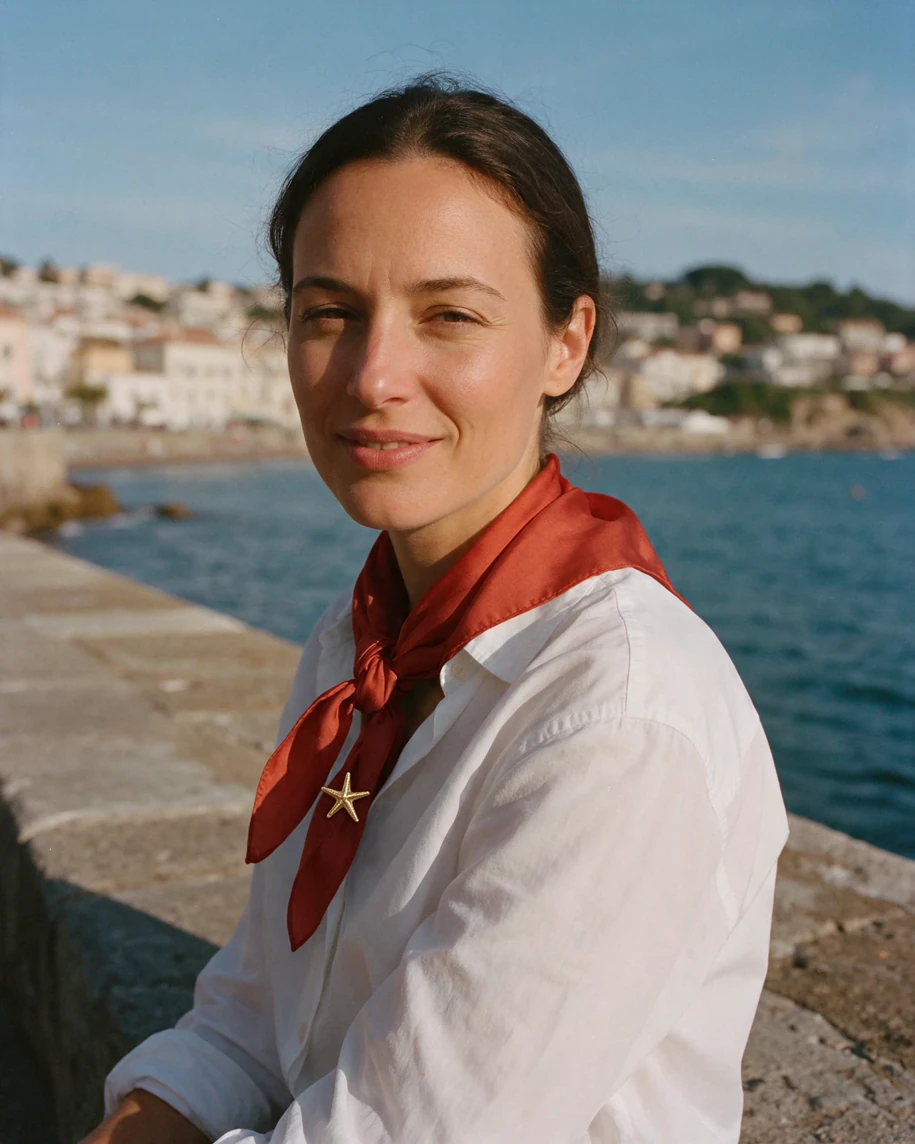
Check Inspect the brooch placement and shading, then compare the face and scarf with the previous round. This result adds a small gold starfish just below the knot; the red scarf, face, and framing match round 1, with about 0.1% of the pixels changed.
28. Portrait round 3 — replace only the brooch
Use it to replace the accessory in prompt 27 while carrying the earlier color edit forward.
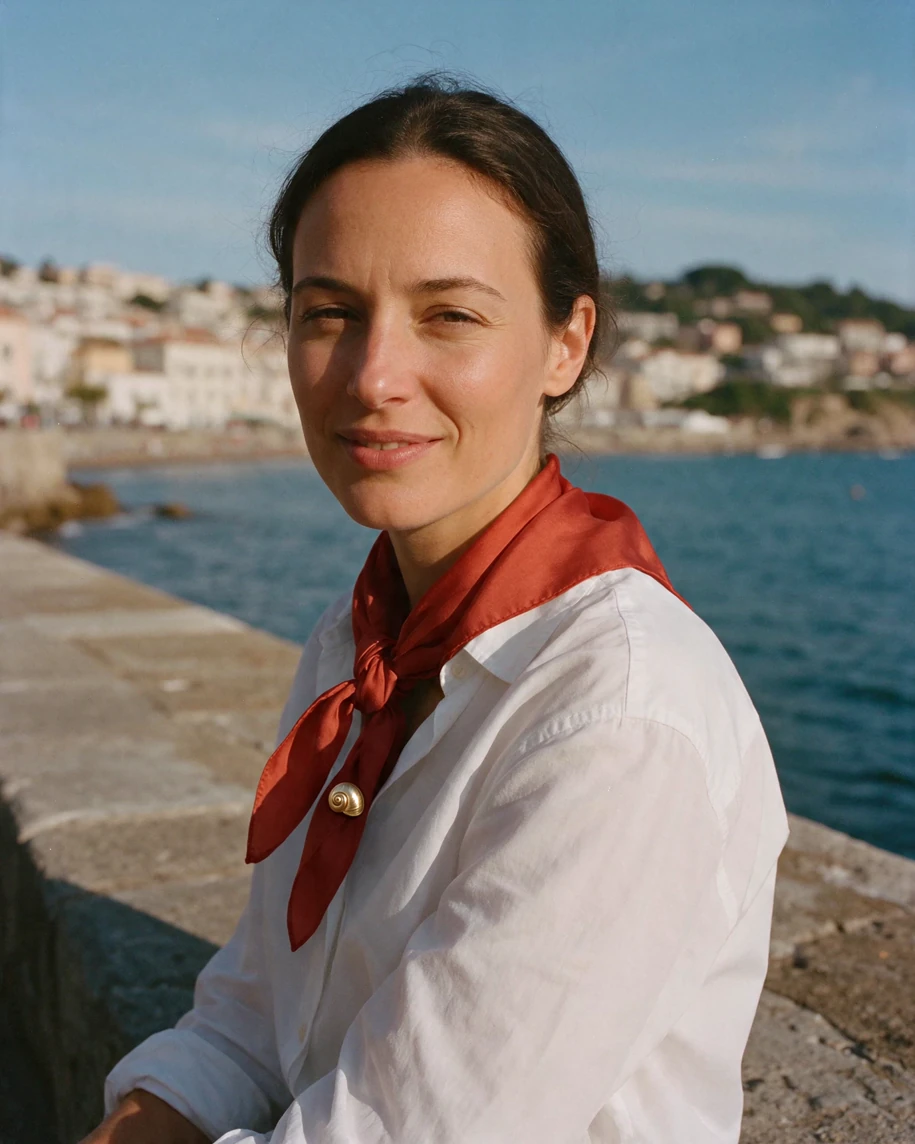
Check Compare all four portrait versions for identity drift and check that the red scarf and framing survive the replacement. In this result a small gold spiral seashell sits where the starfish was, at about the same size; the scarf, face, and framing match the earlier rounds, and under 0.1% of the pixels changed.
29. Poster round 1 — correct one date
Use it to update the date on the pottery poster from prompt 11.
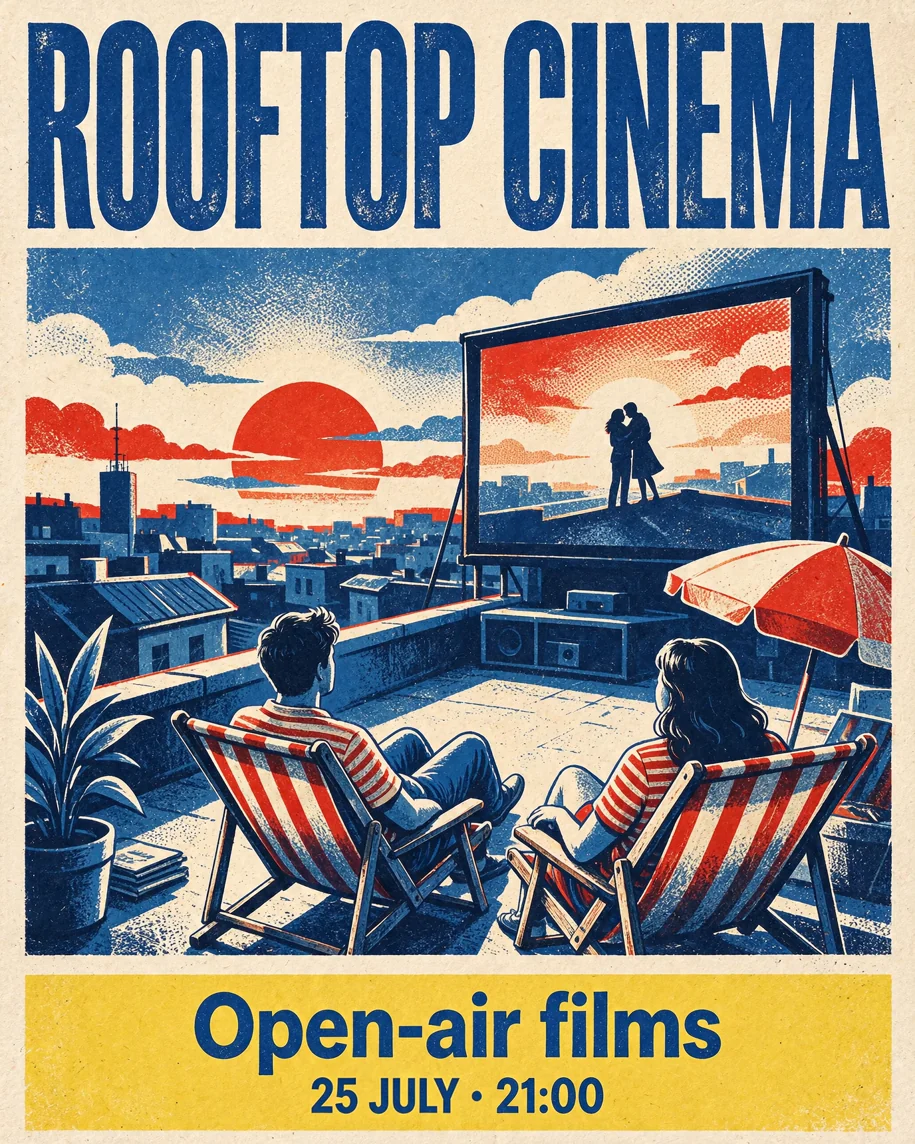
Check Proofread the whole poster against prompt 11, including the retained time, footer label, and headline. In this result the footer reads 25 JULY · 21:00, and the only pixels that changed are in the date itself.
30. Poster round 2 — recolor the footer
Use it to change the footer on the accepted result from prompt 29 while retaining the corrected date.
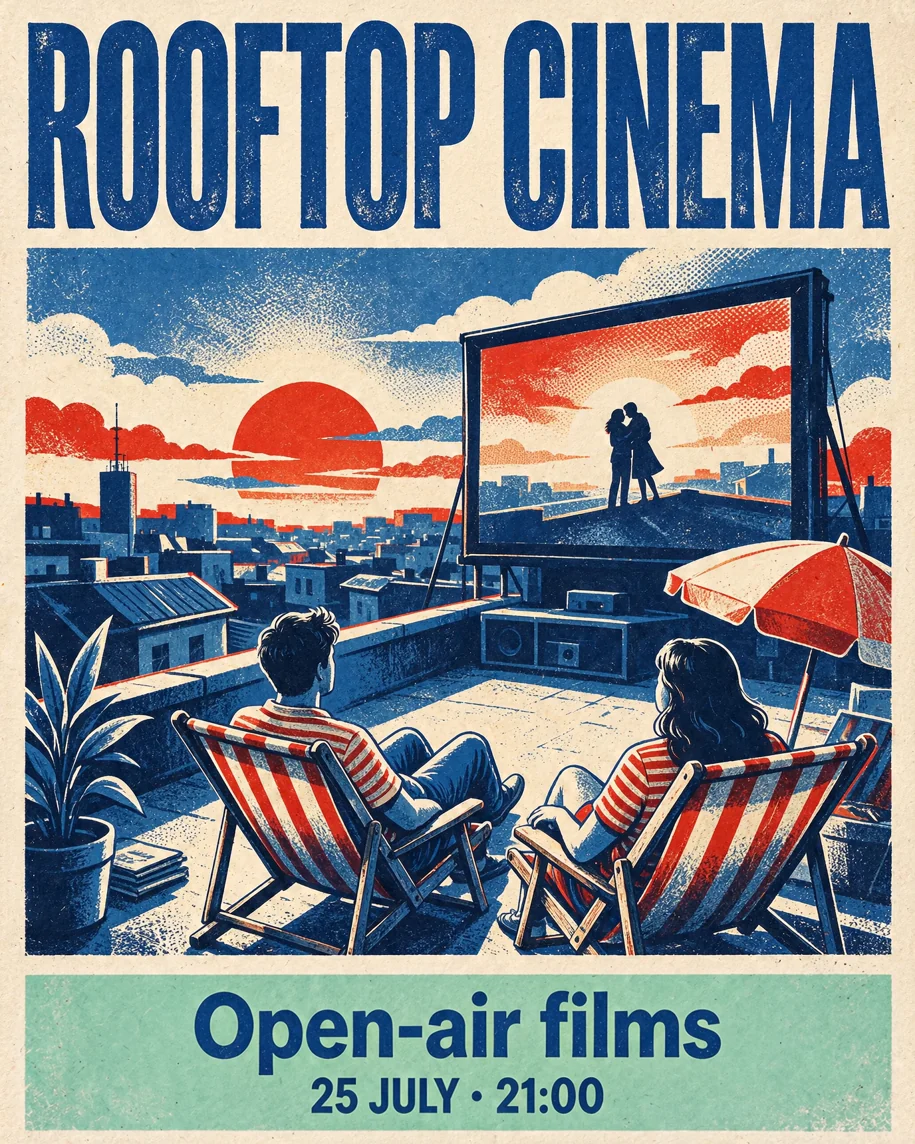
Check Compare both edits with the original for footer boundaries, exact copy, and drift in the illustration. In this result the footer band turns mint green and still reads Open-air films and 25 JULY · 21:00; the headline and illustration are unchanged, and the changed pixels sit inside the footer band.
Fix an AI image prompt after a weak result
| What needs attention | What to change next |
|---|---|
| An opaque rectangle surrounds a cutout | Check the export’s alpha channel and transparent-output setting, then inspect the edges on two backgrounds. |
| Small lettering is garbled | Shorten the copy, give the affected line more space, and repeat its exact wording. |
| A chart’s labels look correct but its geometry is wrong | Compare bar heights with the supplied values and correct the chart before using it. |
| A product detail drifts from a real item | Attach a clearer reference and name the exact construction detail to preserve. |
| A later edit changes the face or previous revision | Return to the last accepted input and narrow the next request to one local change. |
| The scene looks overly glossy | Specify one light source and the actual surface texture, such as matte glaze or worn linen. |
Put exclusions directly into the main prompt. Use any separate negative-prompt control according to the selected service’s documented settings.
Take a finished image into a ChatCut video
Seedream 5.5 is available in ChatCut’s web editor, desktop app, and Agent-plugin workflow. Keep the generated image in your project, place it on the timeline, or use a suitable still such as prompt 24 as a video model’s first frame. Then add captions, voiceover, and music before exporting.
For animation, choose a model such as Kling 4.0 or Seedance 2.5 and describe the movement you want in a separate video prompt. Explore Kling 4.0, Seedance 2.5, and our image-to-video workflow.
For other prompt structures, browse our GPT Image 2 prompt collection. For another image model in the same editor, explore GPT Image 2.6. Our AI video prompts cover motion briefs, and video editing prompts cover work on the timeline.
If you are choosing a model, read the AI image generator guide, the Seedream 5.5 and 5.0 Pro comparison, and the Seedream, Nano Banana, and GPT Image comparison.